

China Mortgages Push Banks Into Improvisation
China’s housing slump is moving into a more complicated phase as falling home values push large numbers of mortgages underwater, forcing banks to find ways to limit defaults without aggravating an already protracted downturn. The pressure now extends beyond developers and homebuyers to lenders themselves, making mortgage management a more central...

UK Homeowners Face Higher Mortgage Payments
The ongoing conflict in the Middle East is expected to push up mortgage payments for approximately 1.3 million UK homeowners by the end of 2028,...

Older Owners Dominate Britain’s Housing Wealth
Britain’s housing wealth is becoming increasingly concentrated among older homeowners, reinforcing the extent to which property remains both a store...
More Perspectives
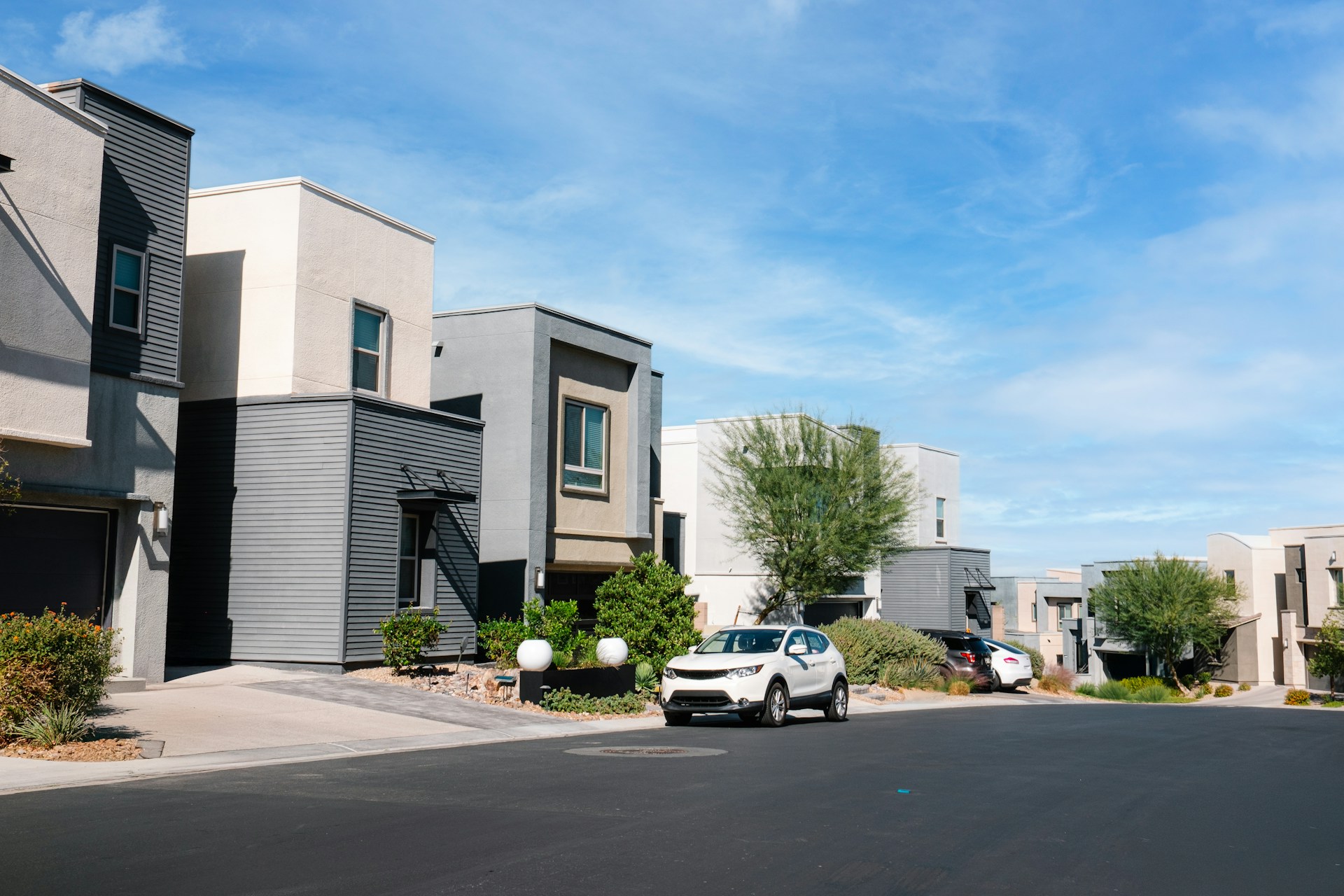
Housing Bill Risks Derailment Over Investor Fight
Washington’s latest attempt to address housing affordability is advancing with rare bipartisan momentum, yet the political clash over institutional...

Dubai Debt Stress Tests Property Confidence
Stress is spreading through Dubai’s property-linked debt market as the Middle East war drags on, pushing a cluster of sukuk into distressed territory...
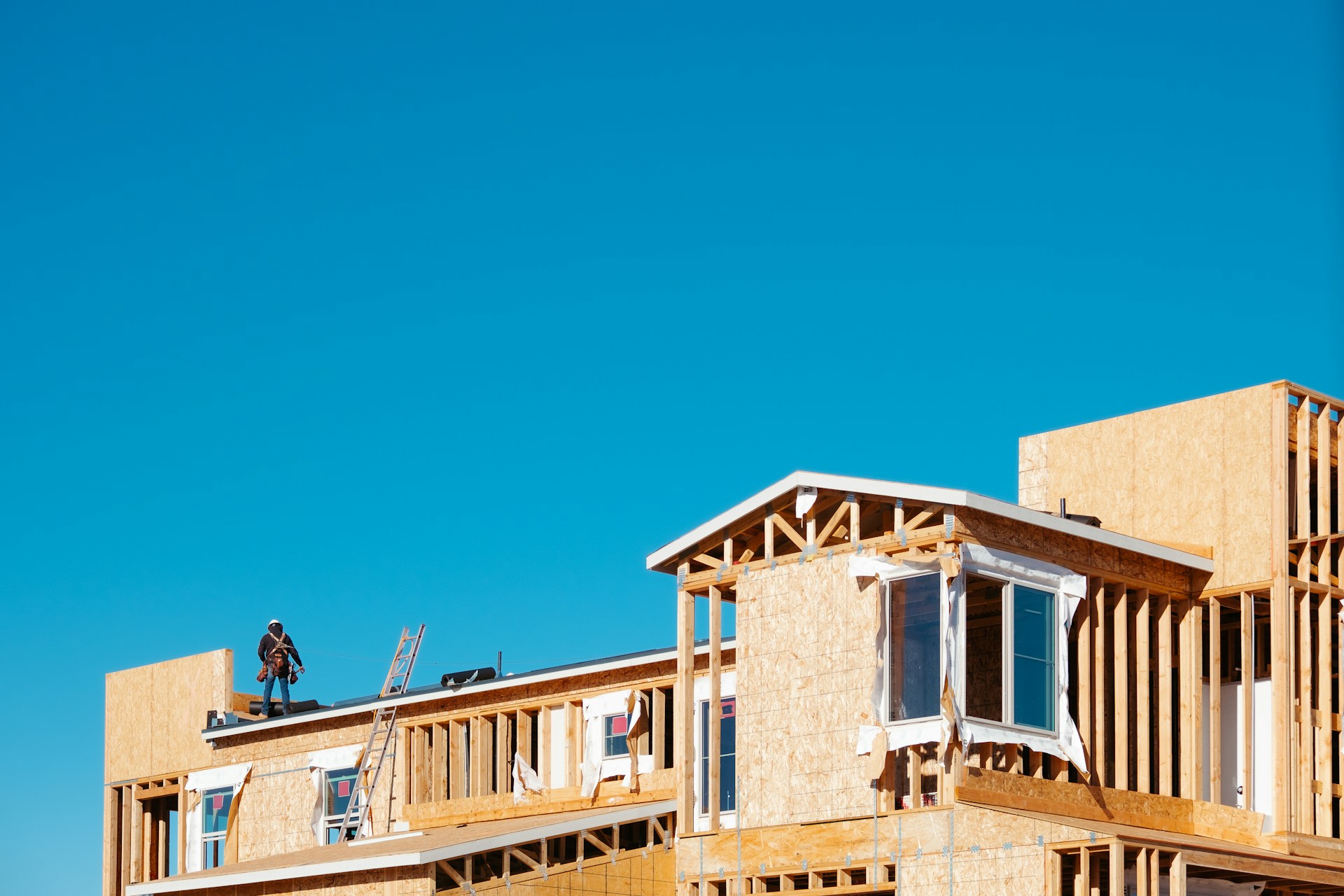
Mortgage Shock Ripples Through Housing Markets
A sharp rise in US Treasury yields is feeding directly into the housing market, adding fresh pressure to borrowers at a moment when household...

Property funds seek private credit outflows
Real estate is emerging as a potential beneficiary of investor money leaving private credit, as market volatility and geopolitical pressure encourage...

AI-driven demand fuels urban housing surge
San Francisco’s housing market is experiencing a renewed surge, reversing a prolonged downturn as demand intensifies in response to the rapid...

Ultra-Prime Homes Break $200mn Threshold
Residential properties priced above $200mn are becoming an increasingly visible segment of the global high-end housing market, signalling a new tier...
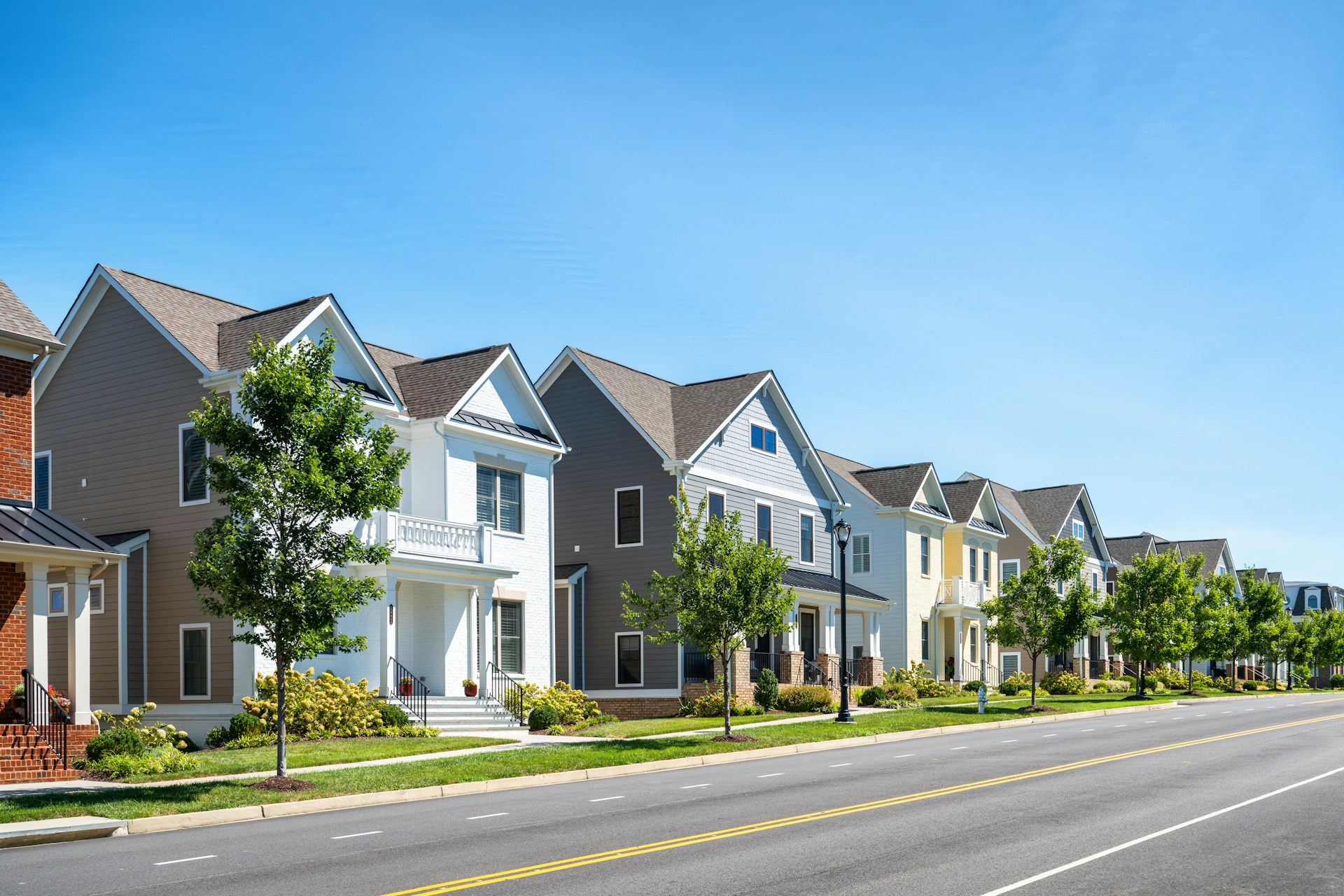
South Dakota Approves Major Property Tax Reform
South Dakota has enacted a series of legislative measures aimed at addressing rising property tax pressures, following the signing of multiple bills...

Foreign investors expand holdings in Portugal
Foreign investors committed €3.9bn to Portugal’s property market in 2025, marking a 10% increase from the previous year and setting a new record for...

More Perspectives

Energy systems reshape commercial property economics
Energy is increasingly becoming a strategic element within real estate as property owners reconsider electricity not merely as an operational cost...

Brokerage Leadership Changes Reshape Real Estate Firms
Leadership appointments and brokerage expansions across the real estate sector highlight a continuing shift in organisational structure as firms...
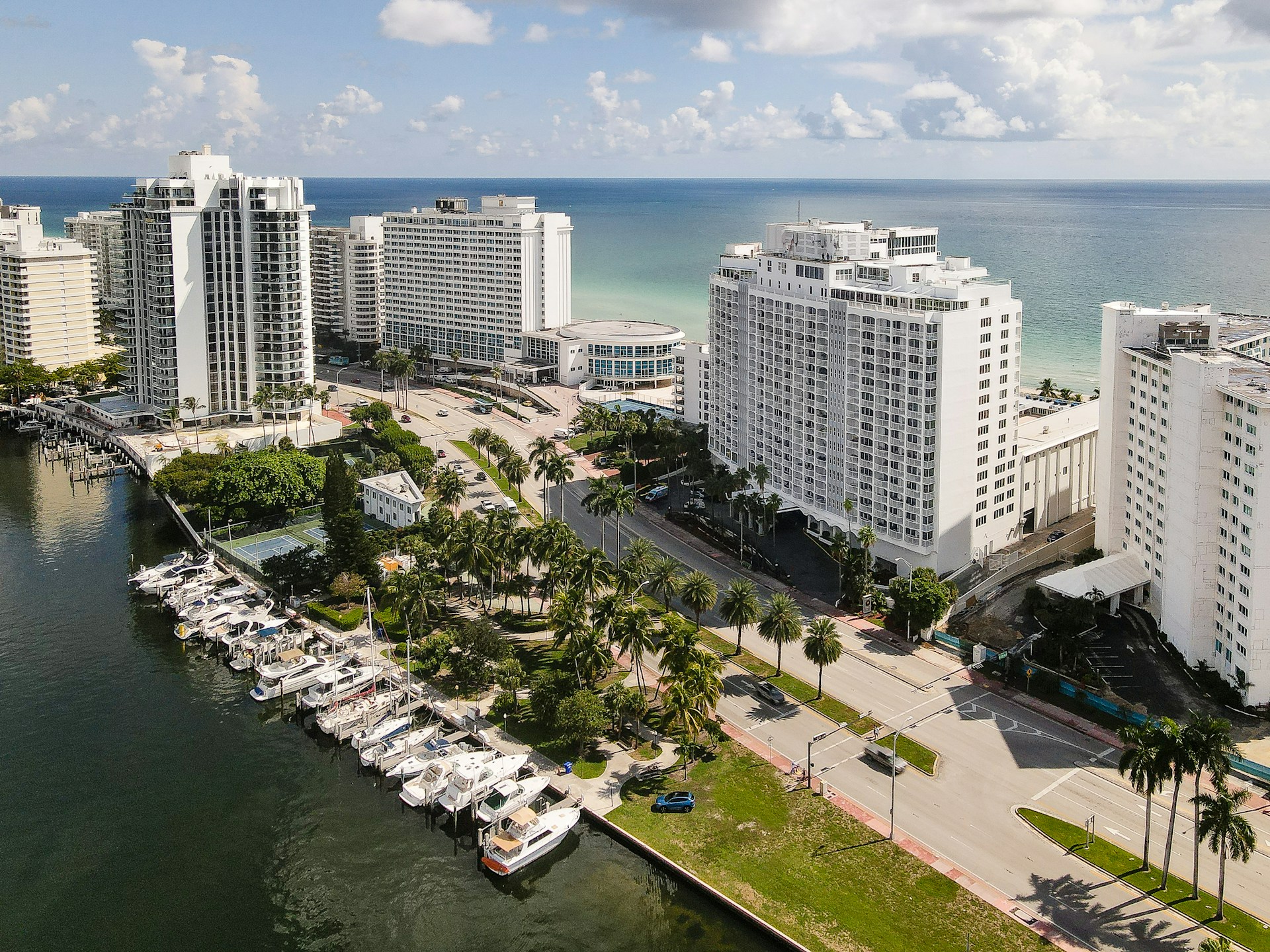
Miami Billionaires Drive Ultra Luxury Property Boom
Miami’s luxury real estate market is experiencing renewed attention as billionaire buyers increase their presence in the city’s most exclusive...

New Zealand Reopens Luxury Homes Market
New Zealand has reopened part of its high-end housing market to wealthy foreign investors, marking a notable shift in the country’s approach to...

Small Auditors Scrutinised After Property Lender Collapse
The collapse of property lender Market Financial Solutions (MFS) has drawn attention to the network of small accounting firms responsible for...

Commercial Real Estate Reconsiders America’s Built Environment
Debate within the United States property sector is shifting as industry observers argue that commercial real estate is not suffering from excessive...

UAE Developers Activate Crisis Protocols
The UAE’s real estate sector has shifted rapidly into crisis management mode as regional instability tests the operational resilience of...

Apocalypse Bunkers Redefine Luxury Real Estate
Once relics of Cold War paranoia, nuclear bunkers are being recast as the ultimate expression of ultra-prime real estate. From Silicon Valley...
More Perspectives

NYC Property Tax Debate Intensifies
New York City’s proposal to raise property taxes by roughly 10 per cent has reignited a national debate over real estate taxation, fiscal stability...

Inside Harvard’s Ambitious Property Strategy
Harvard University’s long-running expansion into Boston’s Allston neighbourhood was conceived as a transformative real estate strategy, yet shifting...

Aston Martin Expands Into Brazilian Real Estate
Aston Martin has announced its first residential project in Brazil and South America through a partnership with Setai Grupo GP, extending the...

London’s Marylebone Prices Defy Regional Weakness
Property prices in London’s Marylebone district are continuing to outpace broader trends in the capital, with values in the prime W1U postcode area...

White House Targets Large Home Investors
The White House has proposed restricting certain large-scale investors from acquiring additional single-family homes, marking a potential shift in...

New York Property Tax Threat Roils Market
New York City’s property market faces renewed uncertainty after Mayor Zohran Mamdani signalled a potential 9.5 per cent property tax increase if the...

US builder sentiment stays subdued
Sentiment among US homebuilders weakened further in February as affordability pressures and elevated construction costs continued to weigh on demand,...

Commercial Lenders Demand Immediate Loan Repayments
Commercial property lenders are intensifying pressure on building owners as refinancing strains deepen across the sector. With interest rates...