
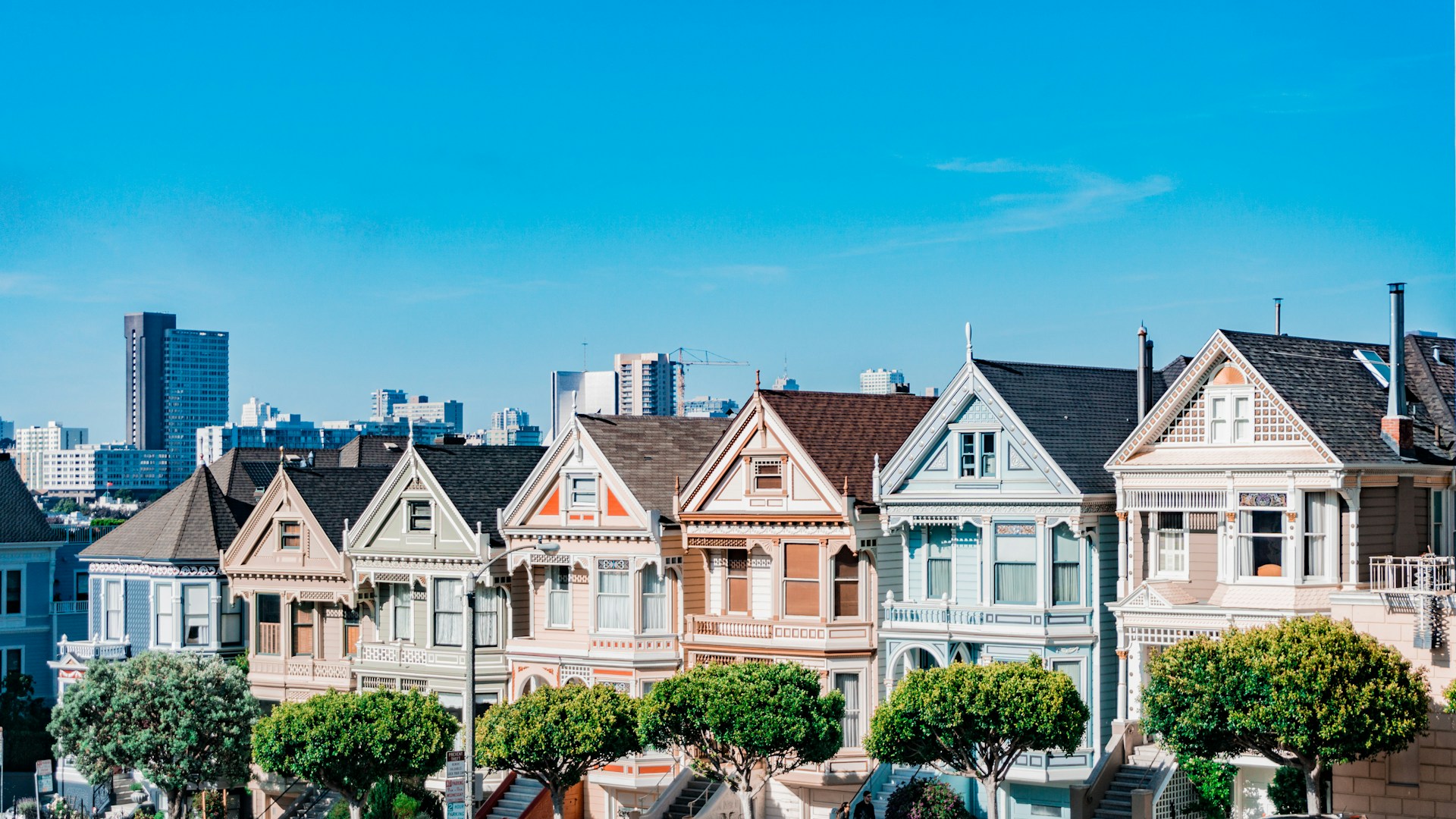
San Francisco’s housing market is experiencing a renewed surge, reversing a prolonged downturn as demand intensifies in response to the rapid expansion of artificial intelligence-related activity.
Recent transactions indicate a sharp escalation in competition for properties in prime neighbourhoods. At a Pacific Heights open house, a two-bedroom cooperative attracted 14 offers and ultimately sold for more than $1.62 million, exceeding the asking price by over $400,000. The scale of interest, reflected in high turnout at viewings, signals a marked shift from the subdued conditions that had characterised the market in previous years.
The resurgence is closely tied to the growth of artificial intelligence companies, which has driven an influx of capital and high-earning professionals into the city. This renewed concentration of wealth is translating into stronger purchasing power, particularly in established residential areas where supply remains constrained. As a result, both houses and condominiums in sought-after districts are recording significant price increases.
Market participants describe conditions as increasingly competitive, with buyers facing intensified bidding environments and limited inventory. The speed at which listings are attracting offers suggests that demand is outpacing the availability of suitable properties, reinforcing upward pressure on prices. This dynamic contrasts sharply with the earlier slowdown, when higher interest rates and broader economic uncertainty had dampened activity.
The shift also highlights the sensitivity of urban housing markets to sector-specific economic cycles. In this case, the concentration of technology-driven growth within a single metropolitan area is amplifying localised demand, creating conditions that differ from broader national trends. The result is a geographically uneven recovery, where certain cities experience rapid appreciation while others remain more stable.
Whether this acceleration can be sustained remains uncertain, particularly given the dependence on continued expansion within the artificial intelligence sector and the structural limitations of housing supply in the city.