
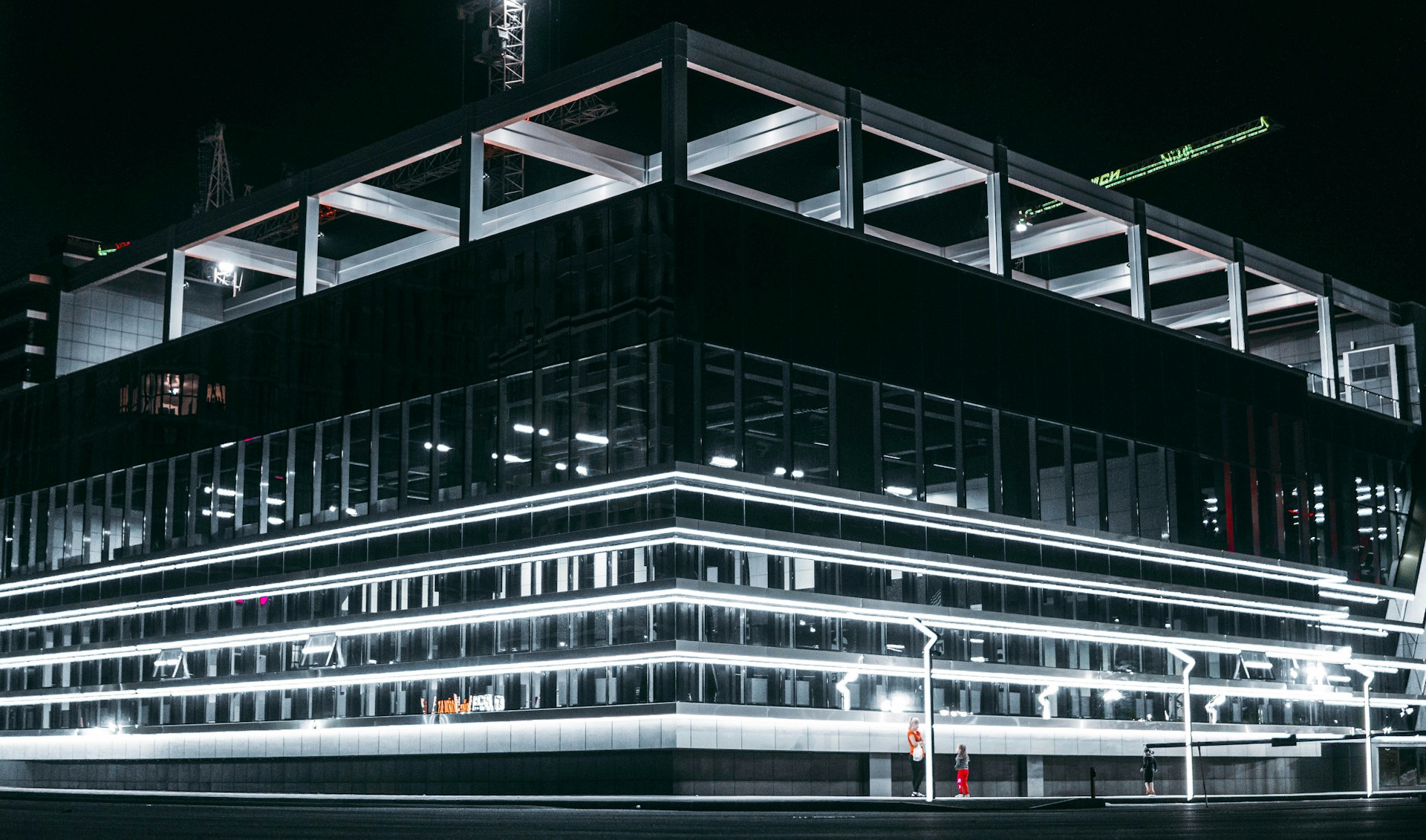
Elon Musk’s artificial intelligence company xAI has acquired a third building to expand its computing infrastructure, signalling a significant escalation in its property footprint tied to AI data-centre real estate. The additional facility, dubbed “MACROHARDRR,” is intended to support a dramatic increase in training capacity toward nearly 2 gigawatts of compute power as part of the broader Colossus supercomputer project.
The newly purchased building, located near the existing supercomputer cluster in the Memphis, Tennessee area, will be converted into a data centre in 2026 and is expected to work in conjunction with the planned Colossus 2 facility. The move reflects xAI’s strategy of acquiring and repurposing large industrial properties to house high-intensity computing infrastructure, diverging from traditional office or residential real estate uses and underscoring the growing importance of specialised real estate in the AI race.
xAI’s expansion highlights how AI firms are reshaping demand for large-scale industrial properties suitable for data-centre conversion. These sites require specific characteristics, including high power availability and proximity to existing infrastructure, making them attractive from a strategic real estate perspective. The acquisition trend demonstrates how technology companies are competing not just for talent and chips, but for physical space capable of supporting advanced computing loads.
The focus on data-centre real estate, particularly in secondary markets such as Memphis, also points to shifts in property valuation dynamics, with industrial assets linked to digital infrastructure gaining prominence among institutional and corporate buyers. As xAI scales to accommodate over a million GPUs and confronts competitors like OpenAI and Anthropic, its real estate purchases underline a broader pattern of strategic land use prioritised by deep-tech ventures.